Board-Certified Periodontist & Dental Implant Surgeon — Michigan
A Framework for the Periodontally Compromised Tooth
THE ROADMAP
When to save, when to refer, and how to frame the implant conversation with confidence at the chair.
What grafting, immediate placement, sinus augmentation, and 3D planning actually involve — and who's a candidate.
Prosthetic design, splinting, peri-implantitis, and the maintenance that protects 10-year implant survival.
THE CURRICULUM
Twelve sessions, quarterly, 2 CE credits each. Tap any session for objectives, the flyer, and to add it to your calendar.
The question general dentists face multiple times a week. We work through prognosis classification, furcation involvement, and vertical bone loss — and how to structure the save-vs.-extract conversation at the chair, positioning the implant as the plan, not the last resort.
‘Not enough bone’ is the most common reason GPs pre-screen patients out of candidacy. We reframe the conversation — what ridge deficiency looks like, what grafting and sinus augmentation actually involve, and why most ‘non-candidates’ just need one more step first.
A practical triage framework for gingival recession and peri-implant dehiscence — the finding every GP sees at every recall but rarely has a clear protocol for. Covers abrasion- vs. periodontitis-driven recession and the recession implications around implants.
Every GP who restores implants should probe them — but few understand what bleeding on probing means in a peri-implant context. Covers the biological differences between peri-implant and periodontal tissue and when to manage vs. refer back.
Built on research from Dr. Maurício Araújo — how to evaluate a site pre-extraction and predict whether the socket will heal favorably for immediate placement, need ridge preservation, or require staged grafting.
Same-day implant placement is one of the most asked-about procedures among patients — and misunderstood among GPs. Covers criteria for a favorable socket, esthetic risk, and what the patient timeline looks like.
The posterior maxilla is the most common reason GPs stop referring — because they already told the patient there wasn't enough bone. Covers crestal vs. lateral window augmentation and how to frame the conversation before the referral call.
A walk through CBCT analysis, prosthetically driven implant positioning, and surgical guide fabrication — showing the rigor behind planning and why the restorative plan needs to be part of the conversation before surgery.
Bone loss on implants is common, but most clinicians don't understand what actually influences bone levels. Covers the evidence-based guidelines for prosthetic design, component choice, and surgical positioning that support stable bone.
Many dentists restore connected implant bridges without weighing whether splinting was indicated. Covers the biomechanical rationale and why the decision belongs before placement, not at the restorative phase.
A deeper dive from Year 1 — actual treatment protocols, when to manage in-practice vs. refer, and how the GP's maintenance protocol is the single biggest determinant of 10-year implant survival.
A capstone session tying together three years of content — following complete patient cases from GP evaluation through extraction, ridge management, placement, healing, and final restoration. Heavy on cases, closing with an open Q&A.
Year 1 dates are confirmed. Year 2 and Year 3 dates are announced as each session is scheduled — add the series to your calendar and you'll get them automatically.
THE VENUE
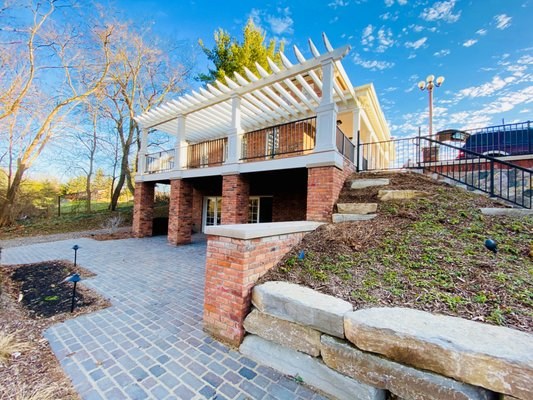
142 Brighton Lake Road, Brighton, MI 48116
An intimate restaurant-dinner format — 15 to 20 clinicians per session — over dinner and honest, case-based discussion. Doors at 5:30 PM; lecture and dinner run to 7:30 PM.
Get Directions ↗CONTINUING EDUCATION
CE credit is provided by BioHorizons for each session; educational content is developed and presented by the Misch Implant Institute. The program is ADA CERP recognized. Attendance is complimentary for invited clinicians.
YOUR SPEAKER
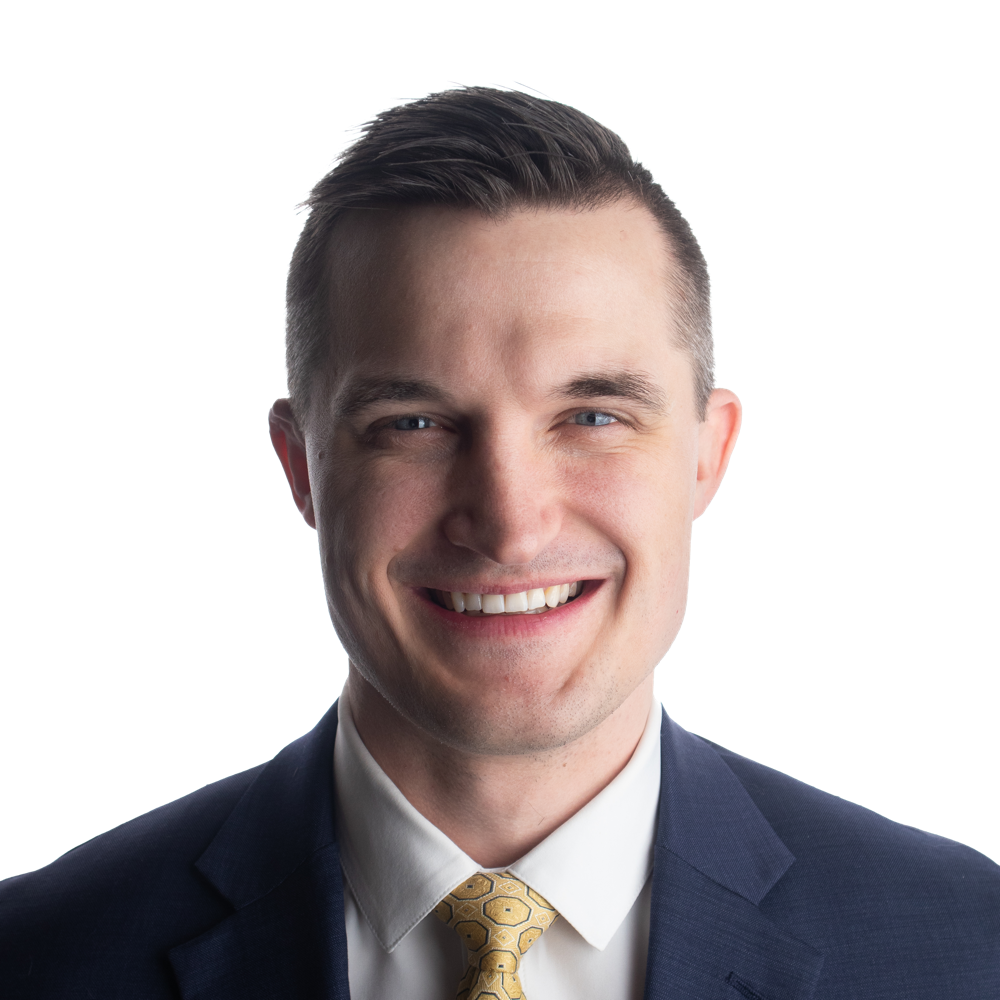
Dr. Misch is a periodontist and implant surgeon at Pinckney Implants & Periodontics. He earned his DDS and a Master's in Periodontal Biology at the University of Michigan, where his research examined how prosthetic design influences peri-implant bone loss — the basis of the widely-read PROS concept. As CEO of the Misch Implant Institute, the first dental-implant continuing-education institute in the world, he teaches the evidence-based, surgically rigorous philosophy the Misch name is known for.
RESOURCE LIBRARY
Seating is limited to 15–20 clinicians per session. RSVP through Eventbrite, or reach out directly to hold a spot.